






1. Game Overview
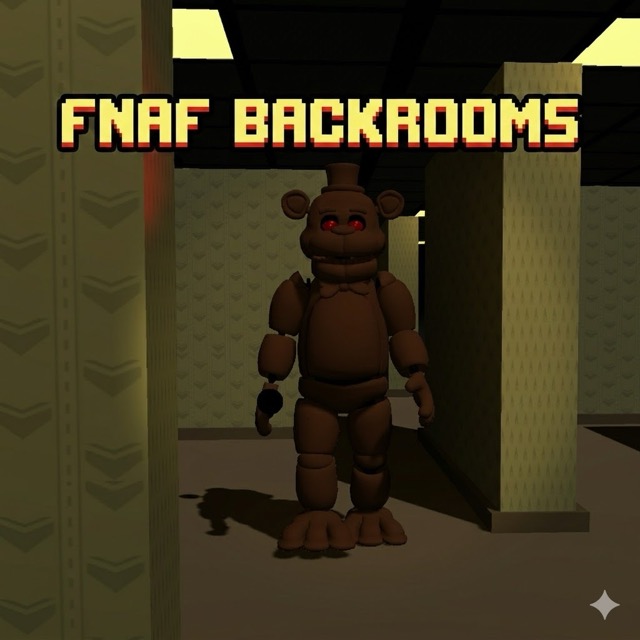
FNAF Backrooms is a maze survival horror game built around searching for an exit, remembering turns, listening for movement, and hiding or sprinting during pursuit. You play as a lost explorer trapped with animatronics in a liminal maze inside repeating Backrooms corridors where landmarks are unreliable. The premise is easy to understand, but the main pressure comes from FNAF creatures roaming beyond the player's limited view. The tension is practical as well as atmospheric: nearly identical corridors make it easy to loop back into danger while sprinting removes the stamina needed for a real pursuit. The core experience asks you to escape the maze before an animatronic finds you. Progress comes from learning the environment and understanding how the game's main systems interact. Early attempts are useful even when they end badly, because they reveal rules, timing, useful patterns, and the consequences of different decisions. Once those patterns become familiar, the challenge changes from confusion into controlled decision-making. Two recognizable horror settings combine into a disorienting chase experience with few safe moments. That identity gives the game a clear reason to try even for players who already know the wider horror and survival-game formula. Sessions usually fit into 20–45 minutes per attempt, making the game suitable for a focused play break while still leaving room for repeat attempts and improvement. It is best for players who enjoy maze navigation, Backrooms atmosphere, and animatronic pursuit. New players can begin by following the visible objective and mastering one system at a time; experienced players can optimize decisions, reduce wasted actions, and pursue cleaner completions. Use headphones for entity direction and choose visible landmarks rather than relying on a vague sense of left and right.
Key Details:
| Field | Details |
|---|---|
| Genre | Maze Survival Horror |
| Difficulty Level | Hard |
| Average Play Time | 20–45 minutes per attempt |
| Best For | Players who enjoy maze navigation, Backrooms atmosphere, and animatronic pursuit |
How to Play FNAF Backrooms
Getting Started:
- Launch FNAF Backrooms, allow the embedded game to finish loading, and read the first objective or instruction before clicking through it.
- Use the opening safe moments to test the movement and interaction controls; identify which inputs are actually enabled in this browser build.
- Select a starting direction and note two distinctive landmarks before moving beyond sight of the entry area.
- Listen for the first entity cue, then identify a branching route or hiding point before exploring farther.
- Work toward the main goal—escape the maze before an animatronic finds you—in small, confirmed steps rather than attempting several unfamiliar actions at once.
Basic Controls:
- WASD or Arrow Keys — move through the maze
- Mouse — look around and track landmarks
- Shift — sprint during pursuit
- E or Left Click — interact with objects and exits
- Esc — pause
Objective: Escape the maze before an animatronic finds you. Success comes from understanding the warning cues, completing required interactions in a safe order, and preserving enough time or resources to answer the next threat.
3. Game Features & Highlights
- Distinct setting — Repeating Backrooms corridors where landmarks are unreliable gives the game a recognizable visual and strategic identity.
- Focused core loop — Searching for an exit, remembering turns, listening for movement, and hiding or sprinting during pursuit keeps every action connected to survival or progress.
- Readable mastery path — The navigation and landmark memory system rewards knowledge gained across repeated attempts.
- Meaningful pressure — The presence of FNAF creatures roaming beyond the player's limited view forces the player to prioritize instead of checking everything safely.
- Strong replay appeal — Two recognizable horror settings combine into a disorienting chase experience with few safe moments.
4. Tips & Strategies
Beginner Tips:
- Navigate in short segments and mentally label intersections by shape, color, sound, or nearby objects.
- Walk while mapping and sprint only during confirmed pursuit or a timed escape sequence.
- Test dead ends early and remember them; removing wrong routes makes the maze progressively smaller.
Advanced Strategies:
- Master using distinctive marks and short route chunks instead of memorizing the whole maze so routine decisions require less attention.
- Plan around when to stay quiet, hide, or sprint through a dangerous section; the best move often solves the present danger while preserving an answer for the next one.
- Use failed runs as timing data. Record where the pattern changed, then adjust one part of the route or routine instead of changing everything.
What to Watch Out For:
- Pitfall 1 — Turning randomly after a scare destroys route knowledge. Continue toward a known landmark unless the entity blocks it.
- Pitfall 2 — Using all stamina on exploration leaves no response to pursuit. Maintain an emergency reserve.
5. Game Elements Explained
Navigation and Landmark Memory: The navigation and landmark memory system governs building a mental map in an environment designed to look repetitive in FNAF Backrooms. The player rarely has enough safety to inspect every possibility. Use a short cycle: confirm the objective, check the highest-risk condition, take one deliberate action, and verify the result. That rhythm stops uncertainty from becoming an emergency. The central decision is which turn creates new information and when to abandon a confusing route. Separate confirmed information from assumptions, then choose the least expensive action that solves the current problem. This preserves time, resources, or safe positioning for what comes next. After a failure, remember the last reliable cue and the action that followed it; this pair provides useful evidence for the next attempt. Mastery comes from using distinctive marks and short route chunks instead of memorizing the whole maze. Practice during calmer moments, but interrupt the routine whenever FNAF creatures roaming beyond the player's limited view create an urgent exception. A consistent process reduces mental load and supports the real goal: escape the maze before an animatronic finds you.
Entity Avoidance and Stamina: The entity avoidance and stamina system governs maintaining distance from entities without exhausting escape options in FNAF Backrooms. The player rarely has enough safety to inspect every possibility. Use a short cycle: confirm the objective, check the highest-risk condition, take one deliberate action, and verify the result. That rhythm stops uncertainty from becoming an emergency. The central decision is when to stay quiet, hide, or sprint through a dangerous section. Separate confirmed information from assumptions, then choose the least expensive action that solves the current problem. This preserves time, resources, or safe positioning for what comes next. After a failure, remember the last reliable cue and the action that followed it; this pair provides useful evidence for the next attempt. Mastery comes from saving stamina until a confirmed pursuit and moving toward areas with multiple exits. Practice during calmer moments, but interrupt the routine whenever FNAF creatures roaming beyond the player's limited view create an urgent exception. A consistent process reduces mental load and supports the real goal: escape the maze before an animatronic finds you.
6. Frequently Asked Questions
Q: How do I make progress in FNAF Backrooms?
A: Follow the current objective, learn the first active system, and confirm each completed step before moving on. The overall goal is to escape the maze before an animatronic finds you. Return to the last recognized landmark, choose one untested branch, and follow it until it ends or reaches another identifiable point.
Q: What should I do if I keep failing at the same point?
A: Identify the final warning cue before the failure and decide which action had priority. Practice using distinctive marks and short route chunks instead of memorizing the whole maze. Change one decision per attempt so it is clear which adjustment actually works.
Q: Is this game compatible with mobile devices and modern browsers?
A: The embedded version is best played in an up-to-date desktop browser such as Chrome, Edge, Firefox, or Safari. Mobile support varies because some builds require a keyboard, mouse capture, precise cursor input, or WebGL. If controls do not appear on a phone or tablet, switch to desktop.
Q: Can I save my progress?
A: Save behavior depends on the embedded build. If the game provides Save, Continue, chapter select, or browser local-storage support, use it before closing the tab. If no save indicator appears, assume the current run may reset after a refresh and complete the active night, match, or chapter in one session.
Q: How do I unlock later nights, routes, or features?
A: Locate the correct route and exit in a single run; failed attempts help reveal the maze's structure.