





Friday the 13th
Search the camp's connected locations and confront Jason in a game based on the 1989 classic.
About Friday the 13th
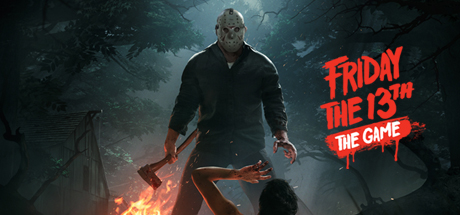
This game is based on the 1989 Friday the 13th classic. Cabins, a lake, caves, and forest routes connect the camp, with hostile creatures encountered along the way.
The useful navigation problem is remembering how those places connect. An encounter can interrupt the search, but returning to a recognizable location helps keep the attempt directed toward Jason rather than another aimless circuit of the camp.
How to Play Friday the 13th
Read the running player's movement instructions, explore the camp, and use the available weapons to handle threats along the route. Use Z to jump and X to attack. Learn the current equipment's behavior before committing to a close encounter.
Camp-route tips
- Use a cabin or distinct outdoor area as a landmark between searches.
- Learn what lies beyond an exit before leaving a known route during an encounter.
- After obtaining another weapon, establish its effective use rather than assuming every attack has the same reach.
Frequently asked questions
Is Jason the only danger in the environment? Zombies, crows, and wolves also threaten the camp's different locations.