





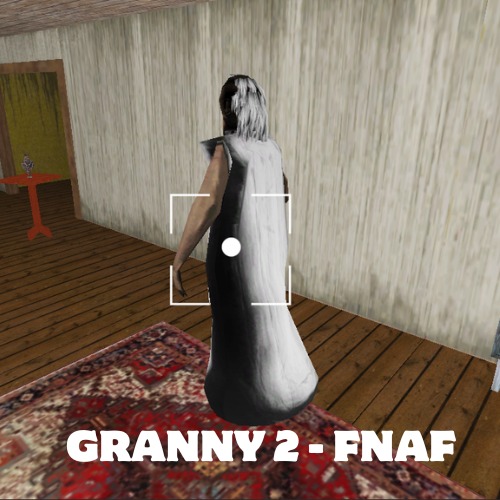



1. Game Overview
FNAF Online Multiplayer is a online multiplayer horror game built around communicating, completing role objectives, sharing information, and using each character's abilities. You play as a survivor or animatronic taking a specialized role in a shared match inside a networked FNAF-inspired facility designed for team play and pursuit. The premise is easy to understand, but the main pressure comes from player-controlled hunters, environmental hazards, and failed coordination. The tension is practical as well as atmospheric: a team can have enough tools to win and still fail because discoveries, danger, or role responsibilities were never communicated. The core experience asks you to help the chosen side complete its objective before the opposing team succeeds. Progress comes from learning the environment and understanding how the game's main systems interact. Early attempts are useful even when they end badly, because they reveal rules, timing, useful patterns, and the consequences of different decisions. Once those patterns become familiar, the challenge changes from confusion into controlled decision-making. Human-controlled opponents make behavior unpredictable and give communication real strategic value. That identity gives the game a clear reason to try even for players who already know the wider horror and survival-game formula. Sessions usually fit into 10–30 minutes per match, making the game suitable for a focused play break while still leaving room for repeat attempts and improvement. It is best for groups who want cooperative survival, social deduction, or competitive FNAF action. New players can begin by following the visible objective and mastering one system at a time; experienced players can optimize decisions, reduce wasted actions, and pursue cleaner completions. Use short callouts and agree on landmark names before separating. Clear communication is a gameplay mechanic, not an optional extra.
Key Details:
| Field | Details |
|---|---|
| Genre | Online Multiplayer Horror |
| Difficulty Level | Variable |
| Average Play Time | 10–30 minutes per match |
| Best For | Groups who want cooperative survival, social deduction, or competitive FNAF action |
How to Play FNAF Online Multiplayer
Getting Started:
- Launch FNAF Online Multiplayer, allow the embedded game to finish loading, and read the first objective or instruction before clicking through it.
- Use the opening safe moments to test the movement and interaction controls; identify which inputs are actually enabled in this browser build.
- Identify every teammate's role and assign the first objective, lookout position, and regroup point.
- Test communication and one role ability before the team enters a dangerous or branching area.
- Work toward the main goal—help the chosen side complete its objective before the opposing team succeeds—in small, confirmed steps rather than attempting several unfamiliar actions at once.
Basic Controls:
- WASD or Arrow Keys — move
- Mouse — look or aim
- E or Left Click — interact and use role abilities
- Shift — sprint when available
- Chat or voice controls — communicate with teammates
- Esc — open the match menu
Objective: Help the chosen side complete its objective before the opposing team succeeds. Success comes from understanding the warning cues, completing required interactions in a safe order, and preserving enough time or resources to answer the next threat.
3. Game Features & Highlights
- Distinct setting — A networked FNAF-inspired facility designed for team play and pursuit gives the game a recognizable visual and strategic identity.
- Focused core loop — Communicating, completing role objectives, sharing information, and using each character's abilities keeps every action connected to survival or progress.
- Readable mastery path — The roles and team coordination system rewards knowledge gained across repeated attempts.
- Meaningful pressure — The presence of player-controlled hunters, environmental hazards, and failed coordination forces the player to prioritize instead of checking everything safely.
- Strong replay appeal — Human-controlled opponents make behavior unpredictable and give communication real strategic value.
4. Tips & Strategies
Beginner Tips:
- Report location, threat, and intended action in that order so teammates can respond quickly.
- Avoid duplicating tasks or spending multiple abilities on one problem when another player already has it covered.
- Work in pairs until the map and enemy behavior are understood; a nearby witness makes recovery easier.
Advanced Strategies:
- Master assigning simple responsibilities at the start and avoiding duplicated work so routine decisions require less attention.
- Plan around which information the team needs now and when regrouping is safer than continuing; the best move often solves the present danger while preserving an answer for the next one.
- Use failed runs as timing data. Record where the pattern changed, then adjust one part of the route or routine instead of changing everything.
What to Watch Out For:
- Pitfall 1 — Silent exploration creates duplicated work and missing players. Report important turns, items, and encounters immediately.
- Pitfall 2 — Everyone chasing the same objective leaves no support or escape coverage. Keep roles distinct.
5. Game Elements Explained
Roles and Team Coordination: The roles and team coordination system governs using each player's role to cover tasks that one person cannot handle alone in FNAF Online Multiplayer. The player rarely has enough safety to inspect every possibility. Use a short cycle: confirm the objective, check the highest-risk condition, take one deliberate action, and verify the result. That rhythm stops uncertainty from becoming an emergency. The central decision is who should complete an objective and who should watch or distract. Separate confirmed information from assumptions, then choose the least expensive action that solves the current problem. This preserves time, resources, or safe positioning for what comes next. After a failure, remember the last reliable cue and the action that followed it; this pair provides useful evidence for the next attempt. Mastery comes from assigning simple responsibilities at the start and avoiding duplicated work. Practice during calmer moments, but interrupt the routine whenever player-controlled hunters, environmental hazards, and failed coordination create an urgent exception. A consistent process reduces mental load and supports the real goal: help the chosen side complete its objective before the opposing team succeeds.
Shared Information and Survival: The shared information and survival system governs communicating locations, danger, and progress before the situation changes in FNAF Online Multiplayer. The player rarely has enough safety to inspect every possibility. Use a short cycle: confirm the objective, check the highest-risk condition, take one deliberate action, and verify the result. That rhythm stops uncertainty from becoming an emergency. The central decision is which information the team needs now and when regrouping is safer than continuing. Separate confirmed information from assumptions, then choose the least expensive action that solves the current problem. This preserves time, resources, or safe positioning for what comes next. After a failure, remember the last reliable cue and the action that followed it; this pair provides useful evidence for the next attempt. Mastery comes from using short, precise callouts and agreeing on landmarks before the team separates. Practice during calmer moments, but interrupt the routine whenever player-controlled hunters, environmental hazards, and failed coordination create an urgent exception. A consistent process reduces mental load and supports the real goal: help the chosen side complete its objective before the opposing team succeeds.
6. Frequently Asked Questions
Q: How do I make progress in FNAF Online Multiplayer?
A: Follow the current objective, learn the first active system, and confirm each completed step before moving on. The overall goal is to help the chosen side complete its objective before the opposing team succeeds. Regroup, restate the shared objective, and assign one player to lead navigation while another tracks danger or task progress.
Q: What should I do if I keep failing at the same point?
A: Identify the final warning cue before the failure and decide which action had priority. Practice assigning simple responsibilities at the start and avoiding duplicated work. Change one decision per attempt so it is clear which adjustment actually works.
Q: Is this game compatible with mobile devices and modern browsers?
A: The embedded version is best played in an up-to-date desktop browser such as Chrome, Edge, Firefox, or Safari. Mobile support varies because some builds require a keyboard, mouse capture, precise cursor input, or WebGL. If controls do not appear on a phone or tablet, switch to desktop.
Q: Can I save my progress?
A: Save behavior depends on the embedded build. If the game provides Save, Continue, chapter select, or browser local-storage support, use it before closing the tab. If no save indicator appears, assume the current run may reset after a refresh and complete the active night, match, or chapter in one session.
Q: How do I unlock later nights, routes, or features?
A: Complete matches and try different roles; available characters or modes depend on the current browser build.