




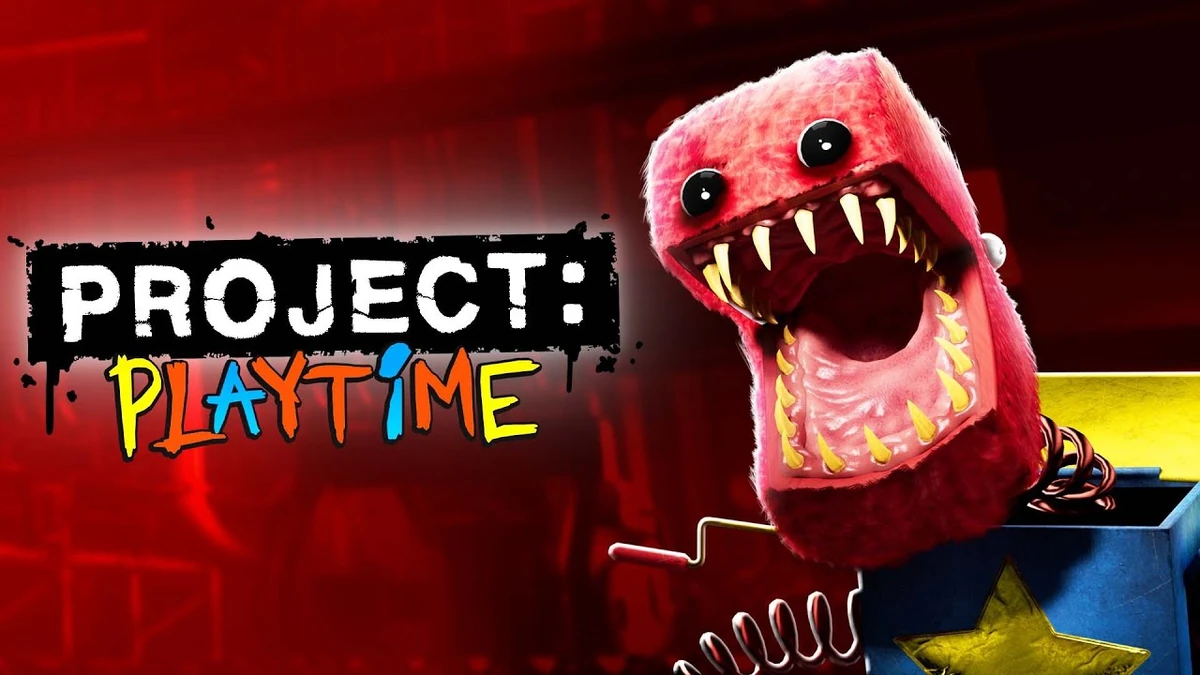
Game Description
Project Playtime is a browser-based escape game on fnaf4.io built around monster pressure, quick reactions, and readable threat patterns.
There are many different characters, each with their own role and personality.
What is Project Playtime?
Project Playtime rewards players who can read threats early, stay calm under pressure, and keep their next move in mind before the situation narrows.
How to Play
- There are many different characters, each with their own role and personality
- Let's explore the features and appearances of the characters in this game now
- Clear puzzle steps quickly, then reposition before the game punishes you for standing still too long.
- Read the room state early so you can respond before pressure stacks up
- Treat every run as route practice, because cleaner decisions usually matter more than panic reactions
Controls
- Mouse: interact with menus, tools, or on-screen actions
- Keyboard: movement and utility keys depend on the current scene
Why It Stands Out
Project Playtime keeps its tension readable. The challenge is not only in fast reactions, but in understanding how the game rewards clean habits, efficient routes, and better pattern recognition over repeated runs.
- There are many different characters, each with their own role and personality
- Let's explore the features and appearances of the characters in this game now
- Clear puzzle steps quickly, then reposition before the game punishes you for standing still too long.
- Project Playtime keeps the pressure readable, so better habits and cleaner timing pay off over repeated runs
- The browser format makes it easy to jump back in and learn patterns without a heavy setup
FAQ
Q: Is Project Playtime free to play? A: Yes. Project Playtime launches directly in the browser on fnaf4.io, so you can start a run without installing a separate client.
Q: What kind of game is it? A: It sits closest to escape and monster play, with most of the pressure coming from timing, awareness, and steady decision-making.
Q: What should you pay attention to first? A: Start by learning the core threat pattern and the safest response loop. Once that feels stable, the rest of the systems become much easier to manage.
Q: Does it rely more on speed or planning? A: Both matter, but planning usually does more work. Quick reactions help in bad moments, while route knowledge and resource discipline keep those moments under control.
Comments (0)
Add a Comment