
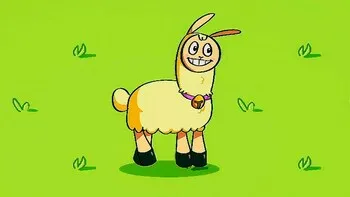
Hungry Lamu
Explore the forest and follow Lamu's search for food as a cheerful-looking premise becomes a horror story.
About Hungry Lamu
Hungry Lamu begins with a simple request: find food for a very hungry creature. The forest's playful presentation is deliberately unreliable, so the game's tone should not be judged from its bright opening alone.
The creator warns about gore, body horror involving animals and people, and coarse language. This is not a suitable choice for someone seeking a gentle animal-feeding game.
How to Play Hungry Lamu
Follow the active objective and inspect the forest interactions relevant to feeding Lamu. Notice how characters and objects respond after a completed task. When the presentation changes, read the new instructions rather than assuming the opening rules still describe the whole experience.
Observe without rushing past the story
A reaction can communicate more than the task's immediate result. Give a completed interaction time to establish what changed before moving directly toward the next objective. This preserves the story's intended uncertainty without requiring an ending guide.
Frequently asked questions
Is it a harmless game about feeding an animal? No. The creator explicitly labels disturbing horror content.