



Game Description
Slide in the Woods is a browser-based night game on fnaf4.io built around horror pressure, quick reactions, and readable threat patterns.
You must slide continuously even at night.
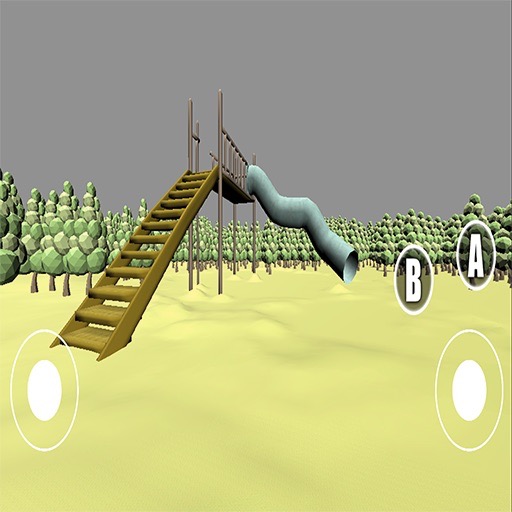
You are alone and you will play on the slide in the forest at night.
What is Slide in the Woods?
Slide in the Woods rewards players who can read threats early, stay calm under pressure, and keep their next move in mind before the situation narrows.
How to Play
- Slide In The Woods gives you the feeling of fear when playing the slide
- What creepy thing is lurking in the forest where the slide is located?
- You need to discover it
- You will have the opportunity to play in the first-person perspective which brings the most realistic feeling during the adventure The murky space in the woods will make you feel scared
- You just need to play the slide to be safe in this game
- There is a special slide in a forest which only has tall trees
Controls
- Mouse: interact with menus, tools, or on-screen actions
- Keyboard: movement and utility keys depend on the current scene
Why It Stands Out
Slide in the Woods keeps its tension readable. The challenge is not only in fast reactions, but in understanding how the game rewards clean habits, efficient routes, and better pattern recognition over repeated runs.
- Check the ventilation route often, because a failed system usually turns one mistake into a losing spiral.
- Slide in the Woods keeps the pressure readable, so better habits and cleaner timing pay off over repeated runs
- The browser format makes it easy to jump back in and learn patterns without a heavy setup
FAQ
Q: Is Slide in the Woods free to play? A: Yes. Slide in the Woods launches directly in the browser on fnaf4.io, so you can start a run without installing a separate client.
Q: What kind of game is it? A: It sits closest to night and horror play, with most of the pressure coming from timing, awareness, and steady decision-making.
Q: What should you pay attention to first? A: Start by learning the core threat pattern and the safest response loop. Once that feels stable, the rest of the systems become much easier to manage.
Q: Does it rely more on speed or planning? A: Both matter, but planning usually does more work. Quick reactions help in bad moments, while route knowledge and resource discipline keep those moments under control.
Comments (0)
Add a Comment